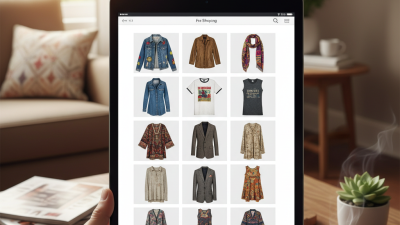
Alright, if you’re looking to get into sustainable fashion and make it as a second-hand clothes seller, you’ve gotta blend a bit of strategy with some creative flair. Emma Hayes, who's pretty experienced in this world and started ReStyle Boutique, always says that success really boils down to understanding who your customers are and the stories behind each piece of clothing. It's that personal touch that makes all the difference in a marketplace flooded with options.
Now, let’s be honest—sourcing good quality items and pricing them right can be quite the challenge. Oh, and don’t forget how many new sellers overlook the power of presentation! Whether you’re selling online or in a small shop, your items need to look inviting and appealing. Even veterans in the second-hand game sometimes find it tough to move their inventory quickly, so it’s super important to step back, assess what’s working and what’s not, and keep tweaking your approach.
Building a loyal crowd of customers doesn't happen overnight—trust me. It takes effort and genuine engagement. Chat with your community, both online and real life. Hit up local events, and use social media to showcase your finds and share your vibe. Every piece of clothing has its story, and if you tell it well, even a casual shopper might become a loyal fan. Ultimately, making it in this field isn’t just about sales; it’s about persistence, learning from your experiences, and having real passion for fashion that makes all the difference.

Understanding the Second Hand Clothing Market Dynamics
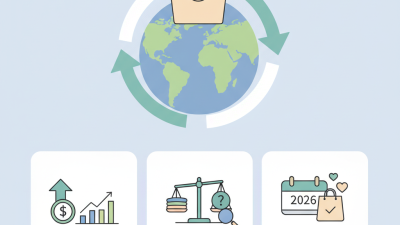
The second-hand clothing market has seen exponential growth in recent years. According to a report by ThredUp, the resale market is projected to reach $36 billion by 2024. This surge signifies changing consumer preferences towards sustainability and affordability. Understanding these market dynamics is vital for sellers looking to thrive.
One key factor in this market is consumer behavior. Millennials and Gen Z are leading this shift, with over 70% showing interest in second-hand fashion. They value unique finds and eco-friendly choices. Sellers must align their offerings with these preferences. Effective strategies include showcasing items in a way that highlights their unique stories and environmental impact.
However, challenges persist. The competition is fierce, with numerous platforms catering to second-hand sales. Sellers often struggle to differentiate themselves. Creating a personal brand can help stand out. Additionally, inventory management is crucial. Sellers need to keep up with trends and rotate stock regularly. Reflection on these aspects can improve sales strategies and enhance customer engagement.
Identifying Your Target Audience for Better Sales
Identifying your target audience is essential for selling second-hand clothes successfully. According to a report by ThredUp, 70% of consumers are interested in second-hand clothing. This statistic highlights the growing trend among eco-conscious shoppers who value sustainable fashion. However, it's important to recognize that not all second-hand shoppers are the same. Understanding the demographics, preferences, and shopping behaviors of your target market can significantly enhance your sales strategy.
Consider conducting surveys or leveraging social media insights to gather data on your audience. Are they primarily young adults looking for unique vintage finds, or are they parents seeking budget-friendly options for their children? Research shows that millennials and Gen Z are particularly drawn to thrift shopping for its sustainability aspect. Tailoring your inventory and marketing messages to resonate with these age groups can create a stronger connection with potential buyers.
Additionally, there may be challenges when it comes to accurately assessing your target audience. Many sellers make assumptions based on broad industry trends without conducting their own research. This can lead to unsold inventory and lost opportunities. Regularly reviewing customer feedback can help you adapt your approach and refine your audience understanding. In this ever-evolving market, staying attentive to your customers’ changing preferences is crucial for sustained success.
Sourcing Quality Second Hand Clothes: Tips and Tricks
Sourcing quality second-hand clothes is essential for any successful 2 Hand Bags Seller. Start by getting familiar with different local thrift stores and flea markets. You might find hidden gems waiting to be discovered. Don't shy away from exploring neighborhood garage sales or estate sales as well. Each location has its unique offerings and character. This personal touch can enhance your collection.
When selecting items, pay attention to fabric quality and condition. Look for signs of wear or damage, but don’t overlook pieces that need minor repairs. A small fix can elevate a garment’s value significantly. Avoid rushing your decisions; take time to evaluate potential purchases thoroughly. Trust your instincts; if something catches your eye, it’s worth considering.
Always keep in mind the importance of storytelling. Each piece has its history, and that can attract buyers. Share the unique stories behind the clothes you sell. This adds value and creates a connection with your customers. Balance your selection between trendy pieces and timeless classics. A diverse inventory will keep customers coming back. Reflect on market trends, but also stay true to your style and vision as a 2 Hand Bags Seller.
Best Tips for Second Hand Clothes Seller Success Story
| Category | Sourcing Tips | Quality Indicators | Pricing Strategy |
| Thrift Stores | Visit frequently, know sale days | Check for stains and tears | Lower than retail prices by 30% |
| Garage Sales | Negotiate prices, be polite | Fabric quality, brand recognition | Bundle for discounts |
| Online Marketplaces | Follow trends, use filters | Authenticity of brands | Research similar listings |
| Swap Events | Bring items in good condition | Condition and style check | No pricing, focuses on exchange |
| Wholesale Vendors | Establish relationships, buy in bulk | Inspection of fabric, finish quality | Negotiate for lower minimum orders |
Effective Pricing Strategies for Second Hand Apparel
Pricing second-hand clothes effectively can significantly impact your sales. According to recent industry reports, around 75% of consumers consider price the most critical factor when purchasing used items. Therefore, finding the right price point is essential. Understanding your market is vital; research similar items sold online. Use this data to create competitive pricing strategies.
For instance, a common approach is to price items at about 30-50% of their original value. This tactic attracts buyers who appreciate quality without breaking the bank. However, sellers often underestimate the importance of condition. Garments in excellent condition can command higher prices, while well-worn items may need a more aggressive discount.
Furthermore, consider seasonal changes. Demand can fluctuate based on fashion trends and weather. Reports indicate sales can increase up to 60% during certain seasons. Hence, adjusting prices according to demand is crucial. As a Used Bags Seller, you might find that unique or branded items can fetch higher prices. Yet you must reflect on your pricing regularly. Always ask yourself if your prices align with the market and the condition of your items.
Creating Compelling Listings: Photography and Descriptions
Creating compelling listings for second-hand clothes is crucial. High-quality photography can significantly impact sales. According to industry data, listings with clear, well-lit images attract 80% more views. When showcasing Second Hand Brand Clothes, focus on presenting items from multiple angles. Use natural light to highlight fabric texture and colors. Avoid cluttered backgrounds that distract from the clothing.
Detailed descriptions enhance buyer trust. A report from Marketplace Insights notes that 70% of buyers favor listings with thorough details. Include sizes, materials, and any unique features in your descriptions. Be honest about any flaws, as this transparency builds credibility. Buyers appreciate knowing what they can expect.
Review your listings regularly. If items don’t sell, assess your approach. Are the photos appealing? Are you providing enough detail? Learning from these reflections can lead to better results. Adapting your strategy is essential in the dynamic second-hand market.
Marketing Your Second Hand Clothing Business Online
Marketing your second hand clothing business online isn't just about listing items. It’s crucial to create an engaging brand story. Consumers today are increasingly interested in sustainability. According to a McKinsey report, 67% of consumers consider the environmental impact in their shopping choices. Crafting a narrative around your business can draw in these eco-conscious buyers.
Utilizing social media is essential. Platforms like Instagram and Pinterest showcase visual content extremely well. High-quality images of your Second Hand Designer Clothes can attract a lot of attention. Engaging with customers through interactive posts or live sales can create a community feel. A study by Sprout Social highlighted that 70% of consumers feel more connected to brands that engage with them directly.
When marketing online, it's vital to highlight the unique aspects of your inventory. Make your clothing stand out by showcasing its history and quality. Transparency can build trust. Share details about sourcing strategies and the care taken in selecting items. Regularly, reflect on what works and what doesn't. Analyze which styles resonate with your audience. Adjust your approach based on these insights to continue growing your business.
Building Customer Relationships for Repeat Sales
Building strong customer relationships is essential for success in the second-hand clothes market. Data reveals that repeat customers contribute to nearly 40% of a retail store's revenue. This statistic highlights the value of nurturing a loyal customer base. Engaging with customers through personalized communication, such as thank-you emails or birthday offers, can significantly enhance their shopping experience. Simple gestures make customers feel valued and encourage them to return.
Feedback is another critical aspect. According to industry research, over 70% of customers expect businesses to act on their feedback. Asking for reviews invites customers to voice their opinions. Utilize this input to improve your offerings and address areas for growth. Regularly assess customer responses to refine your strategies and meet their needs effectively.
Building community can also elevate your brand. Organizing events, either online or offline, can create a sense of belonging. This approach not only fosters brand loyalty but also positions your brand as a trusted authority in the second-hand space. Remember, imperfect experiences can be learning opportunities. Focus on transparency and authenticity to create deeper connections. These elements can transform casual buyers into loyal supporters, enhancing your overall success.
FAQS
: Focus on sustainability and the environmental impact of your products. Share your unique narrative.
Social media platforms are great for showcasing visuals. They help create engagement and build community.
High-quality images of your clothing attract attention. Interactive posts and live sales promote direct engagement.
Share the history and quality of your items. Be transparent about sourcing strategies to build trust.
It is essential. Most customers expect you to act on their feedback. Use reviews to improve your offerings.
Strong relationships foster loyalty. Repeat customers drive significant revenue, making engagement crucial.
Organize online or offline events. These gatherings can enhance brand loyalty and foster connections.
Regularly assess feedback. Analyze styles and preferences to adjust your offerings accordingly.
Not every experience will be perfect. Use challenges as learning opportunities to improve your approach.
Conclusion
In the thriving second hand clothing market, becoming a successful Second Hand Clothes Seller requires a comprehensive understanding of market dynamics and effective strategies. Identifying your target audience is crucial for tailoring your offerings and boosting sales. Sourcing quality items, employing effective pricing strategies, and crafting compelling listings with appealing photographs and detailed descriptions are essential components for attracting buyers.
Once you have established your collection, leveraging online marketing techniques is vital to reach a broader audience. Building strong customer relationships is equally important, as repeat sales often stem from positive experiences. By focusing on these key areas, a Second Hand Clothes Seller can enhance their chances of success in this competitive industry.