Leave Your Message
0%

Looking to source a Mixed Branded Clothes Bundle? At first glance, it might seem straightforward, but things can get a bit tricky when your first shipment arrives. A lot of suppliers promise recognizable labels, clean stock, and good resale potential—and honestly, sometimes that’s not the case once you open the boxes. The cartons might tell a completely different story. Savvy buyers don’t just rely on brand names; they also look closely at the condition of the garments, the sizes included, whether the items are seasonal, the quality of the fabric, and how accurate the supplier’s description really is.

A solid sourcing process starts with good evidence. Don’t be shy—ask for a current manifest, clear photos of the warehouse, grading standards, and realistic sample details. It’s also important to find out if the bundle includes customer returns, outlet stock, overproduced items, or pre-owned garments, because these things can really impact your pricing and resale plans. Plus, checking out the supplier’s track record is a smart move. Look for independent reviews, how quickly they respond, their payment terms, and their return policies before you commit to a big order. Honestly, starting small with a trial order is often smarter than jumping straight into a huge bulk deal, even if it looks super tempting with a discount.

Pay attention to the details, they matter a lot.

When you’re comparing different suppliers, make note of the expected brand mix, how many items they’re estimating, the average cost per piece, and the total shipping weight. Also, see if the labels, packaging, and descriptions line up consistently. But a quick logo check isn’t enough—authenticity requires more than that. Good sourcing also means understanding local resale rules, textile labeling laws, and consumer protection stuff, because these can change depending on your market. It’s worth verifying with professionals or authorities to stay on the safe side.

Of course, mistakes happen—even with careful checks. Sometimes, you’ll get bundles with slower-moving colors, weird sizes, or other quirks. That’s why it’s smart to build in a realistic margin for those surprises. This guide is here to help you evaluate suppliers better, negotiate clear terms, and source a Mixed Branded Clothes Bundle with more solid evidence, better control, and fewer costly surprises along the way.
How to Source a Mixed Branded Clothes Bundle?

Define Bundle Grades With WRAP’s 20–30% Clothing-Life Impact Benchmark

Sourcing a Mixed Branded Clothes bundle should begin with garment life, not label recognition. WRAP’s Valuing Our Clothes report found that extending clothing use by nine months can reduce carbon, water, and waste footprints by 20–30%. This benchmark makes bundle grading more practical. A clean shirt with strong seams may deserve a higher grade than a newer-looking item with fabric damage.

Inspect every piece under bright light. Check collars, cuffs, zippers, hems, stains, odours, and thinning fabric. Record defects with simple photos and a measurement sheet. Grade A can mean ready for resale, Grade B may need minor repair, and Grade C can suit textile recovery or low-cost reuse. Define these standards before purchasing. Otherwise, grading becomes inconsistent.

The Textile Exchange Materials Market Report 2024 reported global fibre production of about 124 million tonnes in 2023. That volume increases the value of keeping wearable garments in circulation. Ask suppliers for the bundle’s estimated grade ratio, garment category, season, and packing conditions. Request a sample carton before ordering larger quantities. Numbers can still mislead. A reported 80% Grade A bundle may contain hidden odours or uneven sizing. Leave room for inspection losses and revise the benchmark after real sales data. Small mistakes are useful, if recorded honestly.

Set Resale Targets Using ThredUp’s $350B Global Market Forecast for 2028

How to Source a Mixed Branded Clothes Bundle?

ThredUp’s 2024 Resale Report forecasts a $350 billion global secondhand apparel market by 2028. That figure should shape your resale targets, not inflate them blindly. GlobalData, the report’s research partner, also identifies expanding online resale as a major growth driver. Demand is real, but every bundle still needs evidence.

Set a target before purchasing. For example, price a mixed bundle at $240, then estimate 70% sell-through within six months. If the average selling price reaches $28, projected revenue is $1,176 before fees, shipping, cleaning, and returns. Record fabric condition, size distribution, seasonality, and visible wear. A clean wool coat may justify a higher target than five thin tops. Small details matter.

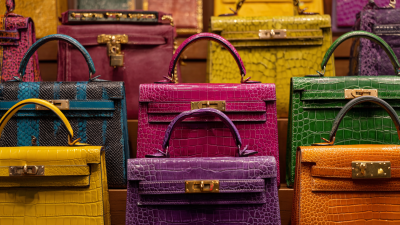
A Used Bags Bundle needs separate testing. Photograph corners, handles, lining, and fastening hardware under natural light. Describe flaws plainly. Buyers remember accurate listings. My first forecast was too optimistic because I ignored slow sizes and unusual colors. That mistake reduced cash flow. Recheck sold listings weekly, then adjust prices instead of protecting an unrealistic margin. Leave room for errors.

How to Source a Mixed Branded Clothes Bundle? — Set Resale Targets Using a $350B Global Market Forecast for 2028
Resale planning reference: A projected global secondhand apparel market value of $350 billion by 2028 supports disciplined buying, condition grading, and category-level resale targets. The model below uses a 60-piece mixed bundle and a 15% selling-cost assumption.
Clothing Category Bundle Units Purchase Cost / Unit Cleaning & Repair / Unit Packaging / Unit Total Cost / Unit Target Sale Price Expected Sell-Through Expected Net Revenue Expected Gross Profit Return on Cost
Tops and Shirts 20 $5.00 $1.25 $0.75 $7.00 $18.00 68% $208.08 $68.08 48.6%
Denim 10 $9.00 $1.50 $0.75 $11.25 $30.00 62% $158.10 $45.60 40.5%
Dresses and Jumpsuits 8 $8.00 $1.50 $0.75 $10.25 $34.00 55% $127.16 $45.16 55.1%
Outerwear 6 $12.00 $2.00 $0.75 $14.75 $48.00 48% $117.50 $28.50 32.2%
Knitwear 8 $7.00 $1.50 $0.75 $9.25 $28.00 58% $110.43 $36.43 49.2%
Activewear 8 $6.00 $1.00 $0.75 $7.75 $22.00 65% $97.24 $35.24 56.8%
60-Piece Mixed Bundle 60 — — — $559.00 Total Blended Target 61.8% Weighted $818.52 $259.52 46.4%
Calculation notes: Expected net revenue equals target sale price × expected sell-through × 85%, allowing for a 15% selling-cost assumption. Gross profit equals expected net revenue minus total bundle costs. Items should be checked for visible wear, missing labels, stains, damage, and accurate sizing before purchase.

Vet Suppliers With GS1 Traceability and ISO 2859-1 Sampling Rules

How to Source a Mixed Branded Clothes Bundle?

A mixed branded clothes bundle needs evidence, not attractive photographs. Request the supplier’s GS1-issued company prefix, GTIN records, carton labels, and transaction documents. GS1 traceability connects product identifiers with locations, batches, and supply events. A barcode alone proves little. Verify whether each code matches the garment category, size, and country information. Then compare those records with warehouse photos and packing lists. Ask for access to the original data, not screenshots. Small inconsistencies matter.

Use ISO 2859-1 to control inspection risk. This standard provides sampling plans based on lot size, inspection level, and acceptable quality limits. It does not automatically certify merchandise. Define defects before inspection, including stains, missing labels, incorrect sizes, and visible wear. For example, a 500-piece lot may require a statistically selected sample, rather than checking only the top cartons. Record every failed item and calculate the defect rate.

The 2024 ThredUp Resale Report projects the global secondhand apparel market will reach 350 billion dollars by 2028. That growth increases sourcing pressure and makes credible verification more valuable. UNEP estimates that textile waste reaches 92 million tonnes annually, so accurate grading also supports better inventory decisions.

Keep a chain-of-custody file. Include supplier declarations, GS1 checks, sample results, photographs, and corrective actions. I would still quarantine uncertain cartons. Sampling reduces risk, but it cannot reveal every hidden defect. That limitation deserves attention. A supplier may pass one inspection and fail the next. Review performance across several lots before expanding the order.

Verify Authenticity Through Brand Codes, Labels and a 10% Sample Audit

How to Source a Mixed Branded Clothes Bundle?

Authenticity starts before payment. Ask the supplier for clear photos of labels, care tags, size tags, and product codes. Codes should match the garment’s format, placement, and production details. A code alone proves little.

Inspect the label texture, stitching, spelling, font spacing, and wash symbols. Compare several pieces from the same category. Genuine manufacturing often shows consistent details, but minor variations can still appear. Contact the official verification channel when available. Do not guess.

Use a 10% sample audit before accepting a large Bundle Used Shoes or clothing shipment. Select items randomly from different cartons, sizes, and condition grades. Check seams, zippers, fabric feel, labels, and code legibility under bright light. Record each result with photos and a simple checklist. Keep records. If one sample fails, expand the audit rather than accepting the full lot.

A clean label is not proof. Some copied labels look convincing, and a small sample may miss hidden problems. I have learned that rushed inspections create expensive doubt later. The process is not perfect, but transparent evidence makes sourcing decisions more reliable. Ask for replacement terms in writing, and pause when the supplier avoids detailed answers.

Price Landed Costs Against a 20–40% Gross-Margin Target

How to Source a Mixed Branded Clothes Bundle?

Sourcing Mixed Children Clothes Bales starts with the landed-cost calculation, not the advertised bundle price. I record the bale price, freight, import duties, inspection fees, storage, and local delivery. Then I divide the total by the expected sellable pieces. That figure is the real cost per item.

A 20–40% gross-margin target needs careful pricing. If an item sells for £10, the landed cost should usually remain between £6 and £8. Extra selling fees can reduce that margin quickly. Check the supplier’s grade definitions, size ratio, seasonal mix, and defect policy before ordering. Request recent packing photos and a small sample where possible. A sealed bale may contain attractive pieces, but it can also include slow-moving sizes and minor damage. I once underestimated unsold stock, and my planned margin looked better than the final result.

Tips: Build a simple cost sheet before payment. Add a realistic loss rate of 5–15% for stains, missing labels, or unsuitable sizes. Compare expected selling prices with recent market evidence, not optimistic listings. Keep invoices, condition notes, and shipment records. Recalculate after delivery; actual freight or clearance charges may differ. A cheaper bale is not always cheaper.

Record EU Textile Labels, HS Codes and Incoterms Before Importing

How to Source a Mixed Branded Clothes Bundle?

Before importing a mixed clothing bundle, record every textile label. Photograph the fibre composition, care symbols, size, and country-of-origin details. EU rules generally require fibre information in the language of the destination market. Missing labels can delay clearance or create relabelling costs. Small errors become expensive.

The European Environment Agency reported that EU citizens consumed about 16 kilograms of textiles per person in 2020. That volume makes accurate sorting important. Separate knitted garments from woven garments, then review their main fibres. HS classification often differs between Chapters 61 and 62. The correct code depends on construction, garment type, and material. Do not rely on a supplier’s spreadsheet alone. Check samples against the EU TARIC database or request a customs classification decision.

Incoterms 2020 must appear clearly on the quotation and purchase record. They define transport responsibilities, risk transfer, and certain costs. They do not replace customs declarations, textile compliance, or import tax checks. Under DAP, the buyer usually manages import clearance. Under DDP, the seller accepts broader delivery obligations, but local tax capability must be confirmed. The International Chamber of Commerce identifies Incoterms as rules for allocating delivery tasks and risks, not product quality.

I still recommend recording package weight, carton photos, label counts, and inspection dates. My first worksheet was too simple. It tracked quantity, but not fibre percentages or code changes. That gap was hard to correct later.

F5-1 Luxury Brand Pants Wholesale: Trusted Used Women’s Clothing Factory Supplier Guide

The global resale apparel market is moving from a niche channel to a mainstream sourcing option. According to the *2024 ThredUp Resale Report*, the worldwide secondhand clothing market is projected to reach approximately $350 billion by 2028, while resale is expected to grow faster than the broader apparel sector. This trend creates strong opportunities for retailers seeking affordable, distinctive inventory, especially in premium women’s trousers and coordinated men’s styles.

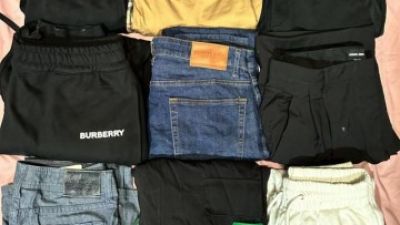
A trusted used women’s clothing factory supplier should offer clear grading standards, consistent sorting, and practical wholesale pricing. Grade A luxury pants at $7 per piece provide a cost-effective option for boutiques, online sellers, and vintage-focused retailers. These garments may include carefully selected designer-label styles without requiring buyers to purchase new-season stock at full retail prices. Each shipment should be checked for fabric condition, stitching, zippers, stains, and sizing accuracy before packing, helping reduce returns and protect resale margins.

Supplier transparency is also increasingly important. The *2023 Global Fashion Agenda and McKinsey Circular Fashion* research emphasizes that better reuse and resale systems can reduce pressure on virgin-resource production. Buyers should therefore request real product photos, packing details, size ratios, inspection procedures, and shipping terms before placing a bulk order. A factory capable of supplying both women’s clothing and men’s styles can help retailers build varied collections while maintaining a stable $7-per-piece purchasing structure.

FAQS

: Why should garment lifespan influence bundle grading?

: Longer use can reduce environmental impacts. A clean shirt with strong seams may outrank newer-looking clothing with fabric damage.

What should I inspect before assigning a grade?

Use bright light to check collars, cuffs, zippers, hems, stains, odours, and thinning fabric. Photograph each defect. Record measurements on a simple sheet.

What do Grades A, B, and C usually mean?

Grade A means ready for resale with minimal concerns. Grade B may need minor cleaning or repair. Grade C may suit low-cost reuse or textile recovery.

How can I make grading more consistent?

Write grading rules before purchasing. Use the same checklist for every carton. Otherwise, personal judgment quietly changes the results.

What information should I request from a supplier?

Ask for the estimated grade ratio, clothing categories, seasons, sizes, and packing conditions. Request a sample carton first. Numbers can mislead.

How should I set a resale target?

Set the target before buying. For example, a $240 bundle might aim for 70% sell-through within six months. Include fees, shipping, cleaning, and returns.

What details can reduce resale revenue?

Slow sizes, unusual colours, seasonal items, and visible wear can delay sales. A clean wool coat may outperform several thin tops. I once ignored size distribution. The forecast failed.

How should I inspect used bags in a bundle?

Photograph corners, handles, lining, and fastening hardware under natural light. Describe scratches, stains, and loose stitching plainly. Buyers notice vague descriptions.

How should I improve forecasts after selling begins?

Review sold listings weekly. Compare actual prices, sell-through, returns, and repair costs. Adjust prices when evidence changes. Small mistakes help, if recorded honestly.

Conclusion

Sourcing a Mixed Branded Clothes Bundle requires a structured process that balances quality, authenticity, demand, and profitability. Start by defining clear bundle grades based on garment condition, expected lifespan, wear levels, and the likely impact of textile reuse. Set realistic resale targets by assessing market demand, customer preferences, seasonal trends, and the growth potential of the global second-hand clothing sector.

Suppliers should be evaluated through transparent traceability records, consistent documentation, and statistically sound sampling procedures. Before purchase, verify authenticity by checking labels, product codes, construction details, and a representative sample audit of around 10% of the shipment. Calculate the full landed cost, including transport, duties, handling, and currency changes, then compare it with a target gross margin of 20–40%. Finally, prepare textile-label information, HS codes, and agreed Incoterms before importing to support accurate records and efficient customs processing.

Caleb

Caleb

Caleb is a dedicated marketing professional at Sichuan Yidai Yilu Trading Co., Ltd., where his expertise in the fashion industry shines through. With a deep understanding of the company’s diverse product range, he effectively communicates the quality and uniqueness of their offerings. Caleb is not......
Previous 7 Best Canvas Bags for Women Wholesale in 2026