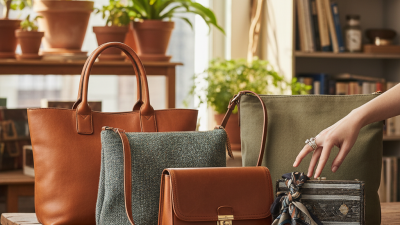
In today’s super fast-paced world of fashion, hunting down affordable yet stylish clothes has become more important than ever. 2 Hand Clothes offers a pretty cool solution for those who want to stay trendy without breaking the bank. These aren’t just thrift finds — each piece has its own story and adds a little personality to your wardrobe.
Platforms like ThredUp and Poshmark make shopping for quality second-hand outfits pretty easy. They’re great for snagging trendy pieces, plus you’re doing your part for sustainable fashion. Walking through racks of pre-loved clothes can actually be pretty exciting — there’s a thrill in the hunt! But, fair warning: not every item will be perfect or exactly what you expected. It’s super important to check the condition and authenticity before you commit.
Sure, hunting for hidden gems is fun, but it doesn’t always go smoothly. Sometimes you might find pieces that need a little tweaking or show signs of wear. That’s just part of the game — it reminds us that quality doesn’t always mean perfect. Embrace the quest of finding those unique items and enjoy the special character that 2 Hand Clothes can add to your closet.
Definition of Wholesale 2 Hand Clothes in the Fashion Industry
In the fashion industry, wholesale second-hand clothes refer to pre-owned garments sold in bulk. This market segment has gained momentum, fueled by sustainability trends. According to a recent report by ThredUp, the second-hand market is projected to reach $64 billion by 2024. This indicates a shift in consumer behavior toward more eco-conscious shopping practices. The appeal lies in unique styles, quality, and affordability.
Many fashion-forward shoppers seek out wholesale second-hand clothing for distinct looks. These garments often offer vintage charm and high-quality materials that fast fashion can’t compete with. While the selection can vary, reliable wholesalers curate their inventory to ensure a mix of trendy and timeless pieces. However, challenges remain. Sizing inconsistencies and uncertain garment conditions can make sourcing more complicated. Shoppers must be diligent in examining quality before purchasing.
Embracing the wholesale second-hand clothing trend invites both opportunities and challenges for retailers. While the profit potential is significant, understanding the target audience’s needs is crucial. Not all second-hand clothes will resonate with every shopper. Awareness of style preferences, seasonal trends, and sustainable practices is essential for success in this evolving fashion space.
Top 10 Wholesale High Quality 2 Hand Clothes for Fashion Forward Shoppers
Benefits of Shopping for High-Quality Second-Hand Clothes
Shopping for high-quality second-hand clothes offers numerous benefits that resonate with today's fashion-forward consumers. According to a 2022 report from the ThredUp Resale Market, the second-hand market is expected to double by 2026. This trend indicates a shift in consumer behavior as more shoppers prioritize sustainable choices over fast fashion. High-quality second-hand garments are often made from better materials and can last longer than their new, cheaper counterparts.
Moreover, buying second-hand can be economical. A study by the Ellen MacArthur Foundation reveals that extending the life of clothing by just nine months reduces carbon, water, and waste footprints by 20-30%. Savvy shoppers can find unique pieces that add character to their wardrobes while making a responsible choice. However, some may find the thought of sifting through used clothing daunting, leading to potential regrets about missed unique finds.
High-quality second-hand clothing is also associated with higher quality craftsmanship. Many vintage pieces boast durability and style that modern equivalents lack. Yet, it requires effort and patience to discover these gems. By exploring local thrift stores or online marketplaces, consumers engage in a treasure hunt, yet not every trip yields success. This unpredictability adds an element of excitement and reflection in the shopping experience.
Criteria for Selecting High-Quality Second-Hand Apparel
When selecting high-quality second-hand apparel, it's essential to keep a keen eye on various factors. First, examine the fabric. Natural fibers like cotton and wool usually stand the test of time better than synthetic materials. Look for well-preserved items that feel sturdy and show minimal wear. Avoid choosing pieces with fraying seams or stains that can't be easily cleaned.
Next, consider the brand's reputation. While you might not want to name specific brands, understanding which labels are known for quality can guide your decisions. Pay attention to craftsmanship details, like stitching and finishing. High-quality second-hand clothes often feature flawless seams and resilient buttons.
Tip: Check for proper labeling. Tags often indicate care instructions and fabric content, helping you gauge the item's longevity.
Lastly, remain open-minded. Second-hand shopping is about surprises. You might find a unique piece that requires some repairs but has great potential. Embrace the process of revitalizing second-hand clothes.
Tip: Don’t shy away from minor flaws. Sometimes, they add character. Trust your creative instincts when envisioning how you can make a second-hand item feel uniquely yours.
Top Trends in 2 Hand Clothing for Fashion Forward Shoppers
When exploring the realm of Second Hand Brand Clothes, fashion-conscious shoppers will find a myriad of trends that redefine their style. Sustainability is at the forefront. Consumers are increasingly drawn to eco-friendly choices, making second-hand shopping a viable option. Each piece tells a story, connecting past with present. Textures, fabrics, and unique patterns often captured in vintage clothing set the stage for individual expression. It’s like a treasure hunt.
Research shows that bold colors and unconventional silhouettes are gaining traction. Shoppers are opting for oversized jackets and eclectic prints that stand out. This trend encourages mixing and matching, allowing personal flair to shine through. However, navigating the second-hand market can be challenging. Quality varies, and sometimes the sizing may not be accurate. It requires patience and keen eye for detail.
Investing in Second Hand Brand Clothes is a more sustainable approach to fashion. Shoppers need to be cautious, as not every purchase may meet expectations. Knowing how to identify quality garments is essential. The thrill of discovering hidden gems makes the effort worthwhile. Embracing imperfections adds character to one’s wardrobe, reflecting a unique style journey.
Best Wholesale Sources for Premium Second-Hand Clothing
The demand for premium second-hand clothing has soared in recent years. Reports indicate that the second-hand market could reach $64 billion by 2024. This growth reflects a shift toward sustainable fashion. Fashion-forward shoppers prioritize unique styles while being environmentally conscious. A reliable second-hand clothes seller can offer these shoppers quality options.
Top wholesale sources for second-hand clothing often involve thrift stores, clearance sales, and overstock inventories. Industry data suggests that consumers prefer curated experiences. Shoppers want carefully selected items that align with their personal style. Quality assessment is essential. Inspecting garments for wear and tear can help maintain a high standard.
Navigating the wholesale market can be challenging. Not all suppliers maintain transparency regarding the sourcing of their items. Potential buyers should ask questions about the origin of the clothing. Understanding the lifecycle of a garment enhances the overall shopping experience. Transparency fosters trust, making the relationship between a second-hand clothes seller and shoppers stronger.
Sustainability and Ethical Considerations in Second-Hand Fashion
Embracing sustainability in fashion is vital today. Second-hand clothing significantly reduces waste. By choosing pre-loved items, shoppers can contribute to a healthier planet. Ethical consumption is not just a trend; it’s a necessity. Many fast fashion brands exploit labor and resources. In contrast, second-hand shops support local economies and often promote fair trade.
Tips: Start small. Visit local thrift stores or online marketplaces. Discover unique pieces while saving money and the environment. Check garment quality before purchase. Look for sturdy fabrics and well-made items.
Many shoppers view second-hand clothes as inferior. This perception needs change. Vintage and retro pieces often carry character and history. They can elevate a wardrobe without the guilt. Consider ways to mix and match these finds. Layering can create new looks without the need for more purchases. Embrace individuality and creativity. It's rewarding to build a sustainable wardrobe.
Tips for Styling Second-Hand Clothes for a Modern Look
Styling second-hand clothes for a modern look can be both fun and challenging. Many fashion-forward shoppers are tapping into the world of sustainable fashion, opting for high-quality second-hand designer clothes. Research indicates that the global second-hand apparel market is projected to reach $64 billion by 2024. This trend highlights the growing demand for unique, eco-friendly options that stand out.
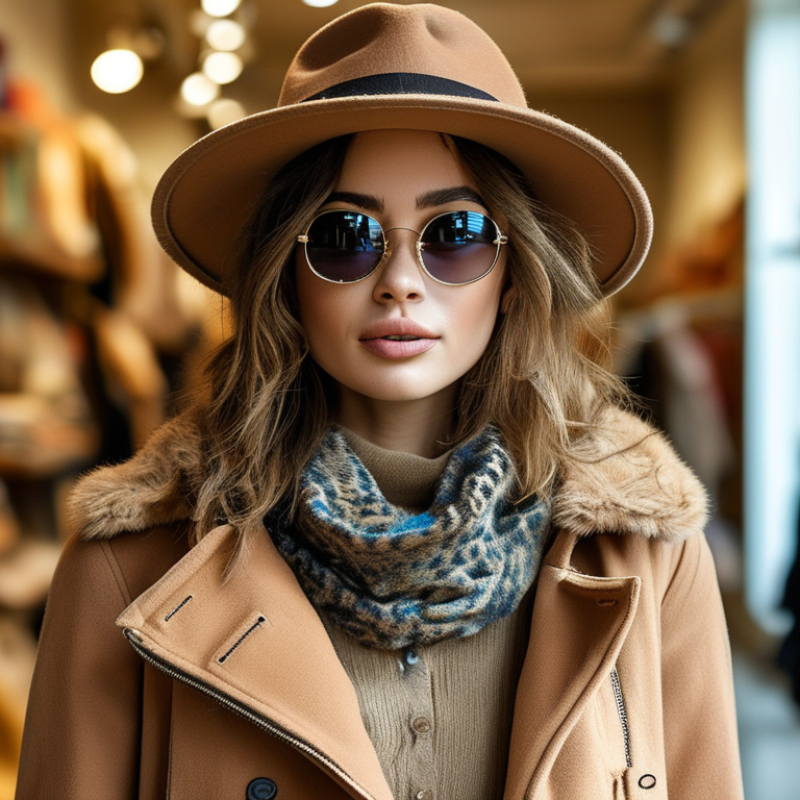
When styling second-hand pieces, focus on layering. A vintage blazer paired with a casual tee can create a chic outfit. Accessories are also key. Consider statement jewelry or a bold handbag to elevate your look. Mixing textures can add depth; try combining denim with silk or wool. However, be mindful of overdoing it. Overly busy outfits can detract from the elegance of second-hand designer clothes.
Fit matters greatly in creating a polished appearance. Tailoring can transform an average piece into something extraordinary. It’s important to know your measurements and seek alterations when needed. This not only enhances the fit but also emphasizes a modern silhouette. As the trend evolves, there’s always room for experimentation. Don’t hesitate to rethink conventional styles or mix eras for the ultimate fashion statement.
Exploring the Benefits of Sourcing Wholesale Second Hand Hiking Backpacks from Reliable Chinese Suppliers
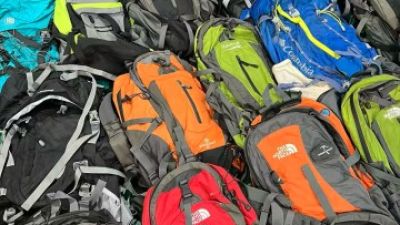
Sourcing wholesale second-hand hiking backpacks from reliable Chinese suppliers presents a unique opportunity for retailers looking to enhance their outdoor gear inventory. Our selection boasts a variety of volumes tailored to meet the diverse needs of outdoor enthusiasts. By choosing to work with trustworthy factories in China, retailers can access a consistent supply of high-quality backpacks that are not only functional but also eco-friendly, catering to the growing demand for sustainable products.
Quality control is at the forefront of our sourcing process, ensuring that each backpack meets rigorous standards before reaching your inventory. With a stable supply of 300 units available monthly, retailers can count on us for dependable stock that supports their business growth. These durable hiking backpacks are designed to withstand the rigors of outdoor adventures, making them a profitable addition for those looking to resell. By investing in our wholesale offerings, you're not only enhancing your selection but also appealing to the environmentally conscious consumer who values both performance and sustainability in their gear choices.
FAQS
: The demand is rising due to a shift toward sustainable fashion and unique styles.
Top sources include thrift stores, clearance sales, and overstock inventories.
Quality assessment is essential. Inspect for wear and tear to maintain standards.
Buyers should ask about the origin and sourcing of the clothing.
It reduces waste and promotes sustainability, benefiting the planet.
Start small. Visit local stores, check garment quality, and look for durable fabrics.
There's a perception that second-hand items lack quality, which is often untrue.
Vintage clothes add character and history, enhancing personal style without guilt.
It supports local businesses and promotes fair trade, fostering community growth.
Mixing and matching can create new looks, allowing for unique personal expression.
Conclusion
The article explores the growing trend of shopping for high-quality 2 Hand Clothes in the fashion industry. It defines wholesale second-hand clothing and highlights the benefits of choosing pre-owned apparel, such as sustainability and affordability. The piece outlines essential criteria for selecting premium second-hand items, ensuring fashion-forward shoppers can make informed decisions.
Additionally, it discusses current trends in 2 Hand Clothes that appeal to style-conscious consumers and provides insights into the best wholesale sources for premium selections. The article emphasizes the importance of ethical considerations in second-hand fashion, promoting a more sustainable approach to clothing consumption. Lastly, it offers practical tips for styling 2 Hand Clothes to create modern and chic looks, encouraging shoppers to embrace the uniqueness of pre-owned garments.